
Choosing the Right Teacher
Violin Teacher for Children in Singapore
Your child's first violin teacher shapes everything — their posture, their tone, their confidence, and whether they grow to love or dread practice. The right teacher doesn't just teach notes; they teach a child how to listen, how to hold their body, and how to find joy in the process.
What Matters Most
What to Look for in a Violin Teacher
Education, Not Just Performance
Many violin teachers in Singapore have strong performance backgrounds — they've completed their diplomas and can play beautifully. But teaching a young child requires a different kind of expertise. A teacher with formal training in education understands developmental stages, knows how to simplify complex physical skills, and can read when a child is overwhelmed versus when they're ready for more.
Experience with Young Violinists
Starting violin at age four or five involves unique challenges — tiny hands gripping a bow, maintaining chin rest contact without tension, and developing intonation on an instrument with no frets or keys to guide them. A teacher who has spent years working with this age group will have developed specific strategies for each of these hurdles, making the learning process feel natural rather than frustrating.
Patient, Encouraging Approach
The early weeks of violin produce sounds that even the most supportive parent finds challenging. A good violin teacher normalises this, celebrates effort over perfection, and keeps the child motivated through the foundational stage. Look for someone who views scratchy open strings not as failure but as the first step toward beautiful tone — and who helps your child see it that way too.
Clear Parent Communication
Violin practice at home involves more parental support than piano — young children need help positioning the instrument, checking bow hold, and even tuning the strings. A good violin teacher keeps parents in the loop, explaining what to watch for during practice, when to gently correct, and when to simply let the child explore.
The Teaching Difference
Why Education Training Matters for Violin
Violin is a physically demanding instrument for young children. They must coordinate two arms doing entirely different things — the left hand pressing strings with precision while the right arm draws the bow with controlled weight and speed. Add in the need to balance the instrument under the chin without tension, and you have a complex set of motor skills that no child masters overnight.
A teacher trained in education knows how to break this complexity into small, achievable steps. They understand that a five-year-old's fine motor skills are still developing, that frustration tolerance is limited, and that physical discomfort needs to be addressed immediately before it becomes a reason to quit. They design each lesson to build on the last without overwhelming the child.
This matters because the habits formed in a child's first year of violin stay with them. Tension in the bow arm, a collapsed left wrist, or a clamped jaw are incredibly difficult to correct once ingrained. A teacher who understands child development will prevent these issues rather than trying to fix them years later.
Good Violinist vs Good Violin Teacher
- Perform repertoire with beautiful intonation and tone
- Demonstrate advanced bow strokes and shifting
- Explain music theory and technique accurately
- Spots tension in a child's shoulders or jaw before it causes pain
- Turns bow hold practice into a game a four-year-old enjoys
- Knows when a child needs a break, not a correction
- Measures arm length to recommend the correct fractional violin
- Guides parents on how to support home practice effectively
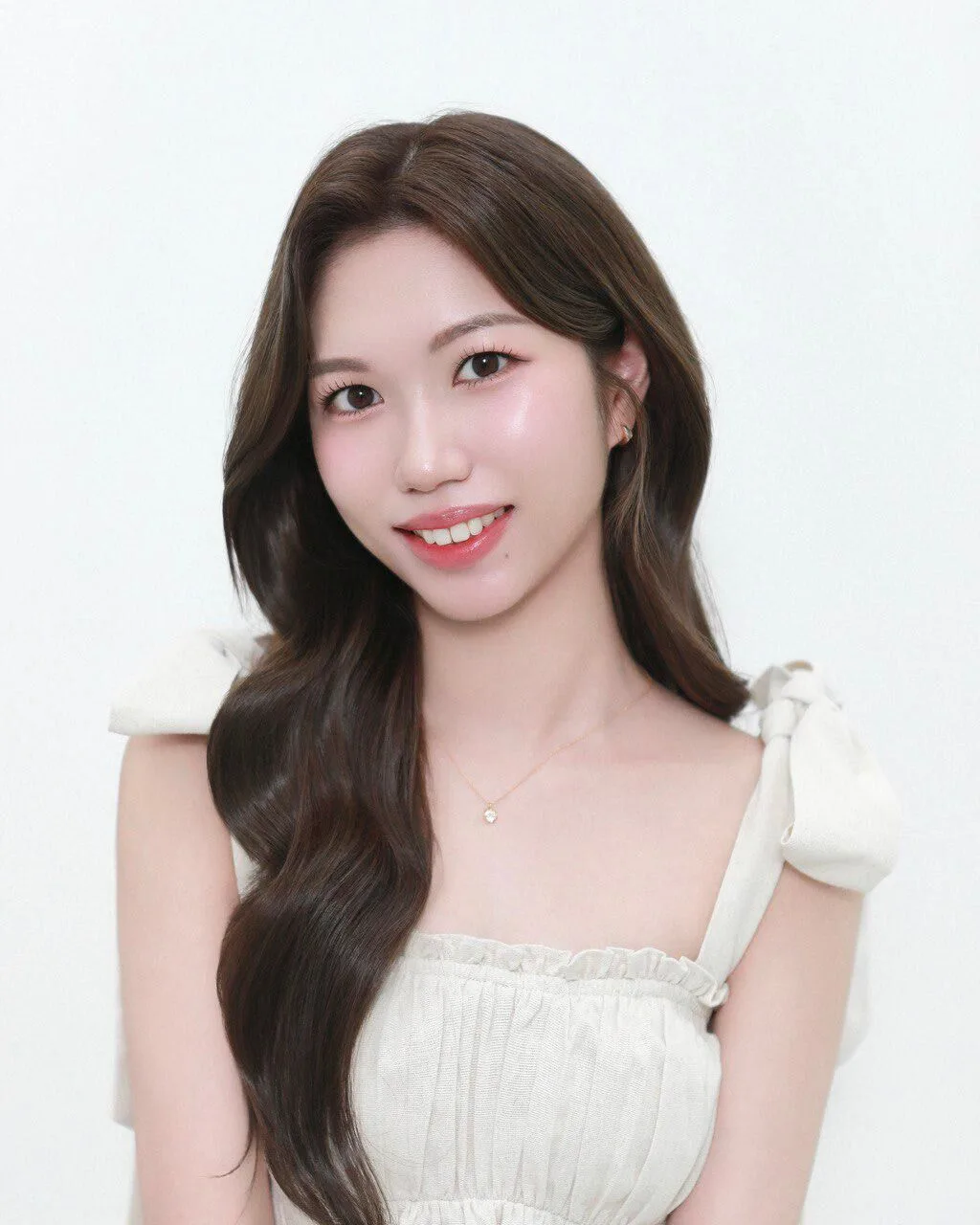
Meet the Teacher
About Patricia
Patricia is a violin and piano teacher based in Tengah, Singapore who has spent over 10 years teaching young children from age four onwards. Her Bachelor's degree in Early Childhood Education with Music Education gives her a rare combination — she understands both the instrument and the child holding it.
That dual expertise is especially important for violin. When a four-year-old struggles with bow hold, Patricia can tell whether the issue is physical (the bow is too heavy for their hand) or developmental (their fine motor skills need a different approach). She adjusts the lesson in real time, using creative exercises and gentle corrections rather than repetitive drilling.
Her violin lessons are structured but never rigid. She follows the ABRSM syllabus where it serves the child, introduces fractional instruments at the correct size, and builds tone production gradually so children develop a warm, confident sound. Parents receive clear feedback after each lesson, including specific guidance for supporting practice at home.
From Parents
What Parents Say
Parents often share that their child's confidence with the violin grew noticeably after starting with Patricia. The scratchy first weeks that many families dread became manageable because Patricia framed them as progress, not problems. Children who were initially intimidated by holding the instrument began picking it up voluntarily at home.
The most common feedback is about her patience — particularly during the foundational stage when posture and bow control require constant, gentle reminders. Parents appreciate that she never rushes past technique to play songs, and that she keeps children engaged even when the work is repetitive.
Read Parent TestimonialsCommon Questions
Choosing a Violin Teacher — FAQ
What qualifications should I look for in a violin teacher for my child? +
What's the difference between a violinist and a violin teacher? +
How do I know if a violin teacher is right for my child? +
Should my child's violin teacher also teach music theory? +
Can a violin teacher help with my child's posture problems? +
Also serving families in Bukit Panjang, Cashew, Hillview, and Newton. Also available: Violin Lessons Singapore | Piano Lessons | Music Lessons.
Book a Violin Consultation
Book a free consultation with Patricia to discuss your child's readiness, goals, and what violin lessons would look like for them.