
A Parent's Guide
Violin Lessons for Children in Singapore
The violin is one of the most rewarding instruments a child can learn — and one that demands the right teacher from the start. Here's what to consider when choosing violin lessons, from fractional-size instruments to finding a patient, qualified teacher.
What to Look For
What Makes Great Violin Lessons
Patience with Foundations
Violin demands careful attention to posture, bow hold, and tone production before a child plays their first melody. The best violin lessons take the time to build these foundations gently, using games and creative exercises rather than rigid drills that frustrate young learners.
Qualified, Child-Focused Teacher
Teaching violin to a four-year-old is a specialist skill. Look for a teacher who combines violin expertise with an understanding of child development — someone who can explain bow pressure to a young child without overwhelming them, and who knows when to encourage and when to step back.
Progressive Curriculum
Violin learning follows a deliberate sequence — from open strings and simple rhythms to scales, shifting positions, and vibrato. A well-structured curriculum introduces each skill at the right time, so children build confidence and competence without feeling overwhelmed by too many new concepts at once.
Correct Instrument Size
Young violinists need fractional-size instruments — a full-size violin is too large for most children under 11. A properly fitted 1/4, 1/2, or 3/4 violin ensures comfortable posture, proper arm extension, and healthy technique from day one. A good teacher will measure your child and guide you to the right size.
Exam Pathway
The ABRSM Violin Pathway
The ABRSM graded exam system is the most widely recognised music assessment framework in Singapore. For violin students, it provides a structured path from beginner to advanced, with clear milestones at each level.
Violin exams assess three core areas: practical performance (pieces, scales, and arpeggios), aural skills (listening, rhythm, and pitch recognition), and sight-reading (playing an unseen passage at first sight). From Grade 6, students must also pass a separate music theory exam.
Violin-specific challenges at each grade include intonation accuracy, bow distribution and control, shifting between positions, and eventually, vibrato and advanced tone production. A good violin teacher prepares students for these demands gradually, ensuring each skill is secure before moving to the next level.
Violin Grade Progression
Practical Advice
Choosing a Violin Teacher in Singapore
Check Their Background
Look for formal music qualifications and, ideally, training in education or child development. A violin teacher who understands how children learn will approach posture and bow hold very differently from one who only teaches adults.
Ask About Young Beginners
Starting violin at age 4 or 5 requires specialised knowledge — fractional sizing, simplified bow exercises, and age-appropriate attention spans. Ask how they introduce the instrument to very young children specifically.
Observe Their Patience
The early stages of violin produce scratchy sounds — that's completely normal. A good teacher stays calm, encourages effort over results, and celebrates small improvements in tone and posture rather than rushing to play songs.
Trial Lesson or Consultation
A consultation lets you see how the teacher interacts with your child, whether they can hold their attention, and how they introduce the instrument. It also gives the teacher a chance to assess your child's readiness and recommend the right violin size.
Posture and Technique Focus
Bad habits formed early on the violin are very difficult to correct later. Ensure the teacher prioritises correct chin rest position, bow hold, left hand shape, and standing or sitting posture from the very first lesson.
Parent Communication
Violin practice at home requires parental guidance, especially for young children who need help with tuning and positioning. A good teacher keeps parents informed about what to focus on during home practice and how to support without taking over.
Comparing Options
Private Violin Teacher vs Music School
Private Violin Teacher
- Full attention on your child's posture, bow hold, and intonation
- Pace adapted to your child's individual progress
- Immediate correction of technique issues before they become habits
- Consistent teacher-student relationship built on trust
- Flexible scheduling and location (studio or home visits)
Music School
- Set programme with standardised curriculum
- Ensemble and group playing opportunities
- Access to multiple instruments and teachers
- Recital and performance event opportunities
- Substitute teacher coverage if needed
For young violin beginners, one-to-one lessons are especially valuable because violin technique requires constant, individualised feedback on posture and bow control — details that are difficult to address in a group setting.
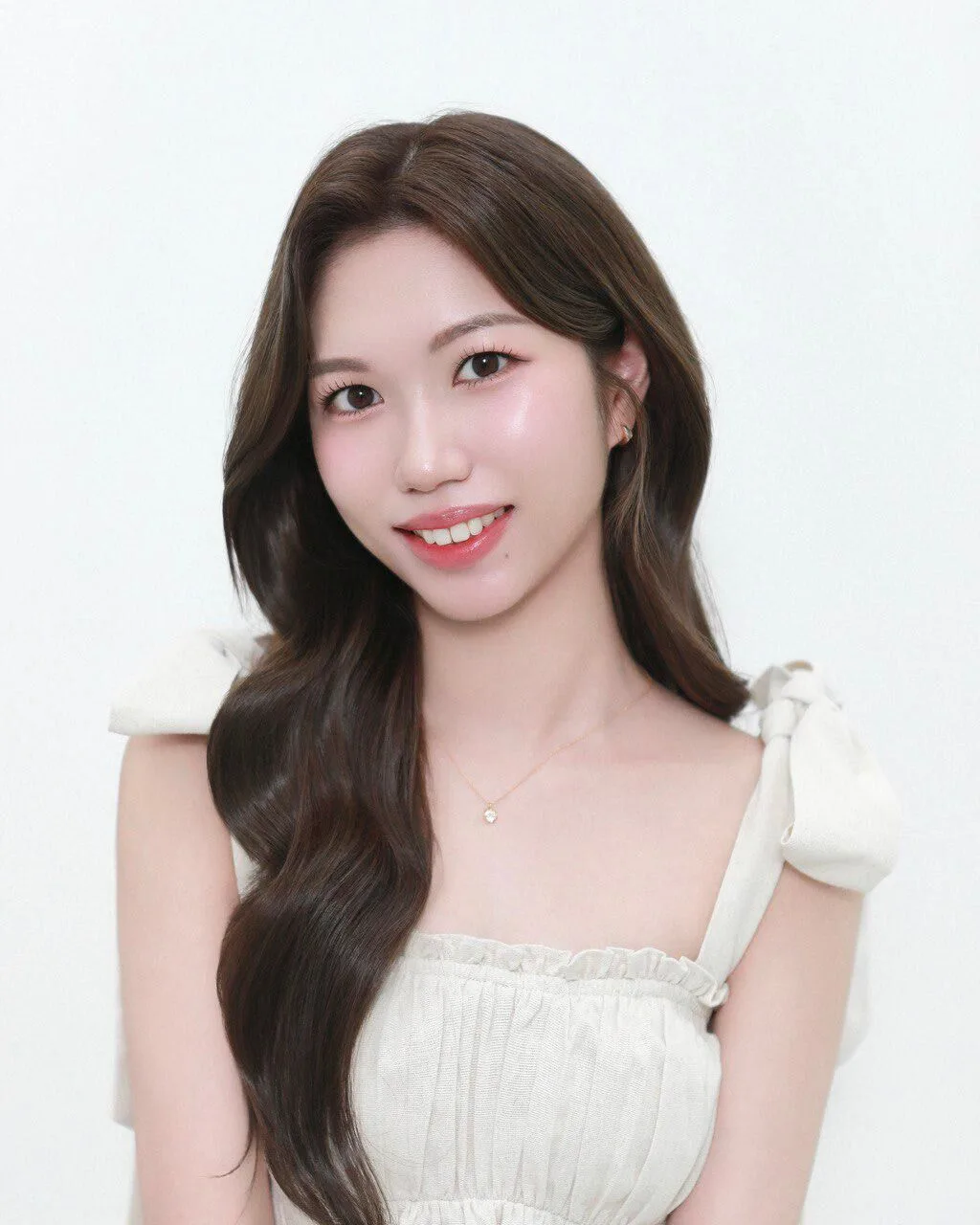
Meet the Teacher
About Patricia
Patricia is a violin and piano teacher based in Tengah, Singapore with over 10 years of experience teaching children from age four. She holds a Bachelor's degree in Early Childhood Education with Music Education — combining deep musical training with a thorough understanding of how young children develop and learn.
Her violin lessons are gentle and methodical. She introduces bow hold and posture through play-based activities, builds tone production gradually, and ensures each child feels confident before moving to the next skill. ABRSM violin preparation is available, and lessons take place in her calm, home-based studio in Tengah — with house visits also available.
Common Questions
Frequently Asked Questions
What age can my child start violin lessons? +
Does my child need their own violin before starting lessons? +
How is ABRSM violin different from ABRSM piano? +
Is violin harder than piano for young children? +
How long does it take before my child sounds good on violin? +
Also serving families in Bukit Panjang, Cashew, Hillview, Newton, King Albert Park, and Beauty World. Also available: Piano Lessons and Music Lessons.
Start Your Child's Violin Journey
Book a free consultation with Patricia to discuss your child's readiness and find the right violin size.