
A Parent's Guide
Piano Lessons for Children in Singapore
Choosing piano lessons for your child is a meaningful decision. Here's what to look for — from teaching approach and qualifications to the ABRSM pathway and finding the right fit.
What to Look For
What Makes Great Piano Lessons
Child-Centred Teaching
The best piano lessons adapt to how your child learns, not the other way around. Look for a teacher who adjusts their approach based on your child's personality, learning style, and energy levels.
Qualified Teacher
A strong music background matters, but so does understanding child development. Teachers with both music qualifications and education training are especially well-equipped to teach young learners.
Structured Curriculum
Good piano lessons follow a clear progression — from basics to more advanced skills — while leaving room for flexibility. A structured approach ensures your child builds skills systematically rather than randomly.
Nurturing Environment
Children learn best when they feel safe and supported. Whether it's a home studio or a school setting, the environment should be calm, encouraging, and free from unnecessary pressure.
Exam Pathway
The ABRSM Pathway
The Associated Board of the Royal Schools of Music (ABRSM) is the most widely used graded exam system in Singapore. Their syllabus provides a clear, internationally recognised framework for measuring musical progress.
ABRSM exams assess three areas: practical performance (playing pieces and scales), aural skills (listening and identifying musical elements), and sight-reading (playing unfamiliar music at first sight). From Grade 6 onwards, students also need to pass a separate theory exam.
While exams aren't compulsory, many families in Singapore find the graded structure helpful for setting goals and tracking progress. A good piano teacher will prepare your child thoroughly and only enter them for exams when they're genuinely ready.
Grade Progression
Practical Advice
Choosing a Piano Teacher in Singapore
Check Qualifications
Look for formal music qualifications (e.g., music degree, ABRSM diploma) and ideally an education background. Both matter when teaching children.
Experience with Children
Teaching adults and teaching children require very different skills. Ask specifically about their experience with young learners and how they handle different attention spans.
Teaching Philosophy
Ask how they approach lessons. Do they follow a rigid syllabus or adapt to each child? Are lessons purely exam-focused or do they nurture a genuine love of music?
Trial Lessons
A good teacher should offer a consultation or trial lesson. This lets you see how they interact with your child and whether the fit feels right before committing.
Format and Location
Consider whether you prefer lessons at a studio, at home, or online. Think about commute time, parking, and whether the learning environment suits your child.
Parent Communication
Regular updates on your child's progress matter. Look for a teacher who communicates openly about what's going well and where your child might need extra support.
Comparing Options
Private Teacher vs Music School
Private Piano Teacher
- One-to-one attention for the full lesson
- Lessons tailored to your child's pace and interests
- Flexible scheduling and lesson format
- Direct relationship with the teacher
- Calm, focused learning environment
Music School
- Structured programme with set curriculum
- Opportunities for group activities and recitals
- Multiple instrument options under one roof
- Standardised teaching materials
- Substitute teachers available if needed
Neither option is inherently better — it depends on your child's personality and your family's priorities. Many children thrive with the individual attention of a private teacher, while others enjoy the social environment of a school.
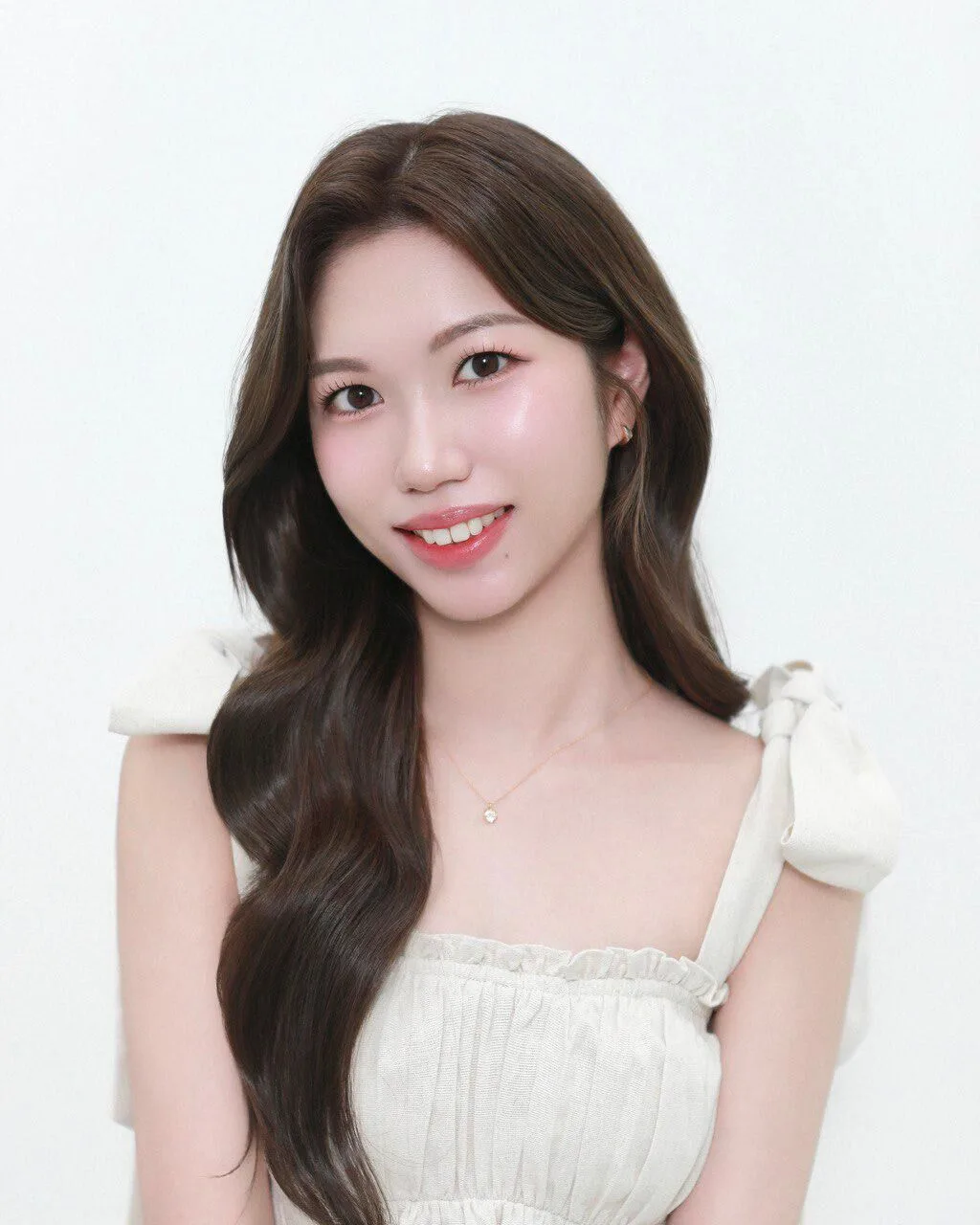
Meet the Teacher
About Patricia
Patricia is a piano teacher based in Tengah, Singapore with over 10 years of experience teaching children from age four. She holds a Bachelor's degree in Early Childhood Education with Music Education — giving her both the musical knowledge and the child development expertise to teach young learners effectively.
Her lessons are gentle, patient, and encouraging. She believes every child learns differently, and designs each lesson to feel safe, enjoyable, and meaningful. ABRSM preparation is available where appropriate, and lessons take place in a calm, home-based studio in Tengah.
Common Questions
Frequently Asked Questions
What age can my child start piano lessons? +
How do I know if my child's piano teacher is qualified? +
What is the ABRSM exam system? +
Should my child do piano exams? +
Find the Right Piano Lessons for Your Child
Book a free consultation with Patricia to discuss your child's musical journey.