
The Teacher Behind the Music
Find a Music Teacher for Children in Singapore
Your child's music teacher will shape how they feel about music for years to come. The right teacher does more than deliver lessons — they build confidence, spark curiosity, and adapt to the child sitting in front of them. Here's what to look for, and what makes a real difference.
Beyond Musical Talent
What Makes a Great Music Teacher for Children
Formal Qualifications
Musical ability alone is not enough. A great music teacher has formal training — ideally in both music and education. These qualifications ensure they understand not just their instrument, but how to structure learning, set appropriate goals, and measure progress in ways that are meaningful for each child's stage of development.
Child Development Knowledge
Children's brains work differently from adults' — they learn through play, short bursts of focus, and repetition. A teacher who understands developmental stages knows that a restless five-year-old isn't being difficult; they need a change of activity. This knowledge transforms lessons from a source of frustration into something a child genuinely looks forward to.
Patience and Adaptability
Every child learns at their own pace. Some weeks they'll fly through new material; other weeks they'll struggle with something they seemed to have mastered. A patient teacher doesn't treat this as a problem — they adjust. They break things down, try a different explanation, or simply give the child more time. Rushing a child through musical concepts they haven't absorbed leads nowhere good.
Clear Communication with Parents
You shouldn't have to guess how your child is progressing. A strong music teacher keeps you in the loop — sharing what was covered in each lesson, where your child is doing well, and what they can work on at home. They welcome your questions and give you honest, specific feedback rather than vague reassurances.
The Difference That Matters
More Than Musical Skill
Singapore has no shortage of talented musicians offering private lessons. Many hold high-grade certifications and can perform beautifully. But performing and teaching are fundamentally different disciplines — especially when the student is a young child.
A performer knows how to play. An educator knows how to help someone else learn. When you combine both, lessons become something more than technical instruction. They become an experience tailored to how your child thinks, feels, and absorbs new information.
This is particularly important in the early years. A child's first music teacher sets the tone for their entire relationship with music. A teacher who understands child psychology, who can read a four-year-old's body language, who knows when to push gently and when to step back — that teacher gives your child a foundation that lasts well beyond their first recital.
Musical Skill Alone vs Musical Skill + Teaching Expertise
- Can demonstrate pieces at a high level
- Knows music theory thoroughly
- May teach the way they were taught
- Breaks complex ideas into steps a child can follow
- Adjusts the approach when a child is struggling or disengaged
- Builds confidence through encouragement, not pressure
- Uses age-appropriate methods grounded in how children actually learn
- Communicates progress clearly to parents after every lesson
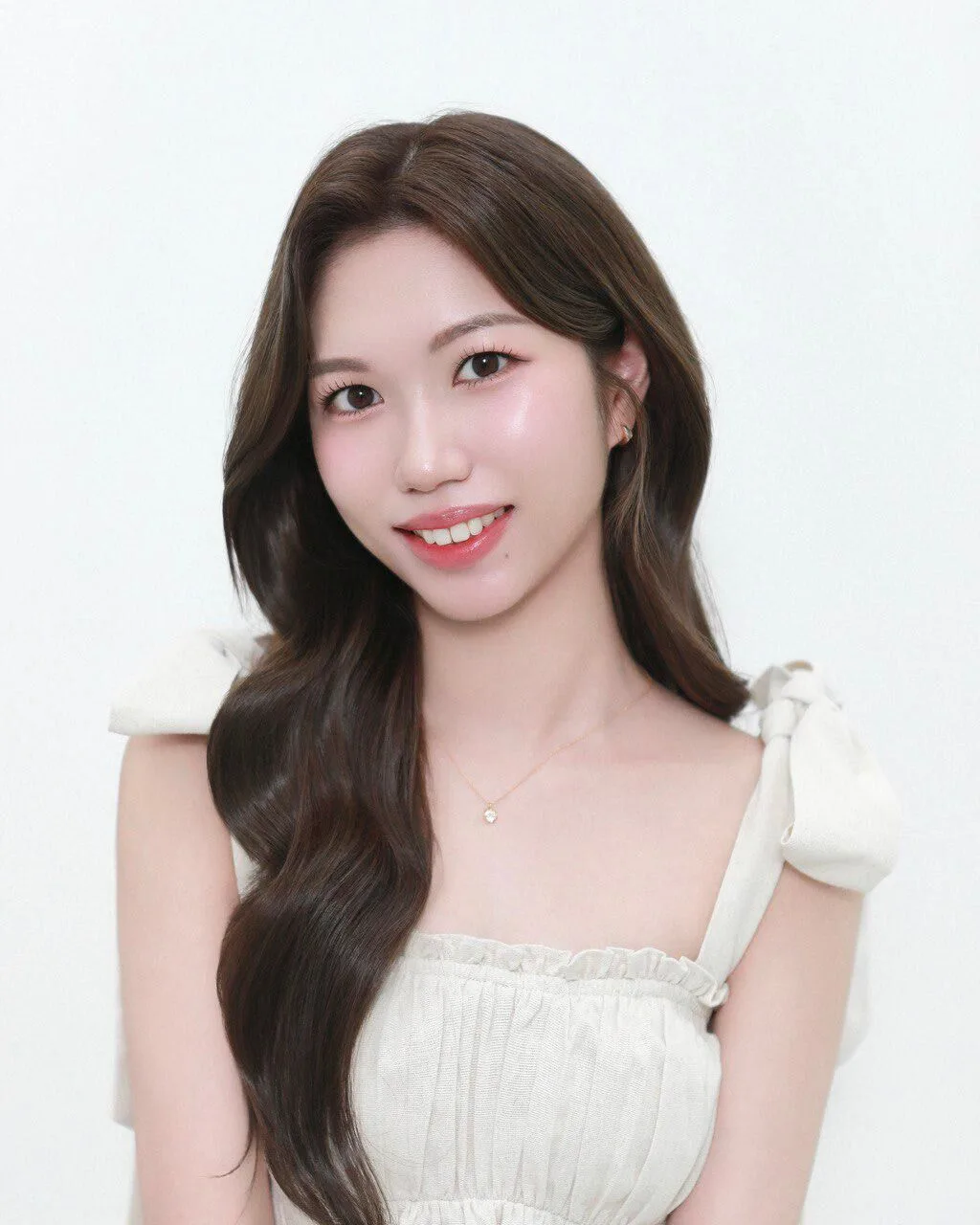
Meet Your Child's Teacher
Patricia — Educator and Musician
Finding someone who is both a trained musician and a trained educator is uncommon in Singapore's private music teaching landscape. Most teachers lean heavily toward one side or the other. Patricia holds a Bachelor's degree in Early Childhood Education with Music Education — a qualification that formally bridges both disciplines.
Over 10 years of teaching children from age four onwards, she has built a practice grounded in understanding how young minds develop. She knows that a child who resists practising may not lack motivation — they may need the material presented differently. She recognises that a shy child and an exuberant child need entirely different approaches, even when learning the same piece. And she understands that a child's relationship with their teacher often determines whether they stick with music or walk away from it.
Her instrument is the piano — widely considered the most foundational instrument for young learners because it builds reading, coordination, and musical understanding simultaneously. Through piano, she teaches children to listen, to express themselves, and to experience the satisfaction of steady, visible progress.
Teaching Philosophy
Her Approach to Teaching Music
Patricia's teaching is patient, warm, and structured without being rigid. She follows the ABRSM syllabus when it serves the child's development, but never treats exam grades as the sole measure of success. For her, a good lesson is one where the child leaves feeling more capable and more connected to music than when they arrived.
She adapts to each child's temperament and pace. Some children thrive on clear goals and steady progression through graded material. Others need more room to explore, to play by ear, to ask "what happens if I press this?" Both approaches are valid, and she moves between them naturally depending on the child in front of her.
Communication with parents is a core part of how she works. After each lesson, she shares what was covered, how the child responded, and what to focus on during home practice. She believes parents and teacher should be aligned — working together toward goals that genuinely reflect the family's wishes, not just the syllabus calendar.
Common Questions
Choosing a Music Teacher — FAQ
Should I choose a music teacher or a piano teacher for my child? +
What qualifications matter most in a children's music teacher? +
How do I know if a music teacher is good with young children? +
At what age can my child start music lessons? +
Also serving families in Jurong West, Bukit Batok, Choa Chu Kang, Bukit Panjang, and Clementi. View all lesson details.
Find the Right Music Teacher for Your Child
Book a free consultation with Patricia to discuss your child's readiness, musical interests, and what lessons would look like for them.