
A Strong Musical Foundation
Music Lessons for Children in Singapore
Music education gives children something that stays with them for life — discipline, creativity, confidence, and a way to express themselves that words alone cannot capture. Patricia teaches piano as the ideal first instrument, building a complete musical foundation from the very first lesson.
The Value of Music Education
Why Music Lessons Matter for Children
Cognitive Development
Learning music activates multiple areas of the brain simultaneously — reading notation, coordinating hands, listening, and counting all happen at once. Research from the National University of Singapore and internationally has shown that children who study music consistently perform better in areas like working memory, spatial reasoning, and language processing.
Emotional Expression
Music gives children a healthy, constructive outlet for their emotions. Playing a piece that sounds sad, triumphant, or playful helps them explore feelings they may not yet have words for. Over time, this builds emotional awareness and resilience — skills that serve them well beyond the practice room.
Discipline and Focus
Regular practice teaches children something invaluable: that steady, patient effort produces real results. Unlike many activities where progress is hard to measure, music offers clear milestones — a piece that was impossible last month becomes fluent this month. That feedback loop builds genuine self-discipline and the ability to focus for sustained periods.
Social Confidence
Children who learn music develop a quiet confidence that shows in other areas of life. Performing — even just playing for family at home — teaches them to handle attention, manage nerves, and take pride in something they've worked hard to achieve. These are transferable skills that carry into school presentations, social situations, and later life.
The Best Starting Point
Why Piano Is the Ideal First Instrument
When parents look into music lessons for their child, the question of which instrument to start with comes up quickly. While every instrument has value, piano stands apart as a first instrument because it teaches all the fundamental building blocks of music at once — melody, harmony, rhythm, and notation reading across two clefs.
Unlike wind instruments, which require developed breath control, or strings, which demand precise finger placement on an unfretted surface, the piano is physically accessible from a young age. A four-year-old can press a key and hear a clear, in-tune note immediately. That instant feedback is motivating and removes a major barrier that other instruments present to young beginners.
The keyboard layout itself is a teaching tool. Notes are arranged visually from low to high, in a repeating pattern that makes intervals, scales, and chords intuitive to understand. Children can see the relationship between notes in a way that isn't possible on a guitar fretboard or inside a clarinet. This visual logic helps young learners grasp music theory naturally, without it feeling abstract.
Piano students also learn to read both treble and bass clef from early on — developing the ability to process two lines of music simultaneously. This trains coordination, concentration, and musical independence that serves them well regardless of where their musical interests lead later. Many professional musicians, regardless of their primary instrument, credit their early piano training as the foundation that made everything else possible.
For parents who aren't sure yet which instrument their child will love most, piano is the smartest starting point. The skills are fully transferable, and a child who has spent a year or two at the piano will pick up any second instrument far more quickly than a child starting from nothing.
What to Look For
What Good Music Lessons Look Like
A Qualified Teacher
A good music teacher for children is more than a skilled musician. They need an understanding of child development — how young minds learn, how attention spans work at different ages, and how to explain concepts in ways that make sense to a five-year-old. Formal training in education, not just performance, makes a measurable difference in outcomes.
A Child-Centred Approach
Every child learns at their own pace. The best music lessons adapt to the individual — adjusting the difficulty, varying activities when focus dips, and choosing repertoire that keeps the child engaged. Lessons that treat every student identically, regardless of age or temperament, miss the mark entirely.
Structured Progression
Good music lessons follow a clear curriculum that builds skills in a logical sequence — but without rigidity. Children should always know what they're working towards, and parents should be able to see tangible progress over time. A recognised framework like ABRSM provides useful benchmarks while leaving room for individual pacing.
A Nurturing Environment
Children learn best when they feel safe. A good lesson environment is calm, encouraging, and free from harsh criticism. Mistakes are treated as a normal part of learning, not something to be punished. When children feel comfortable, they take creative risks, ask questions, and develop a genuine relationship with music rather than an anxious one.
Meet the Teacher
About Patricia
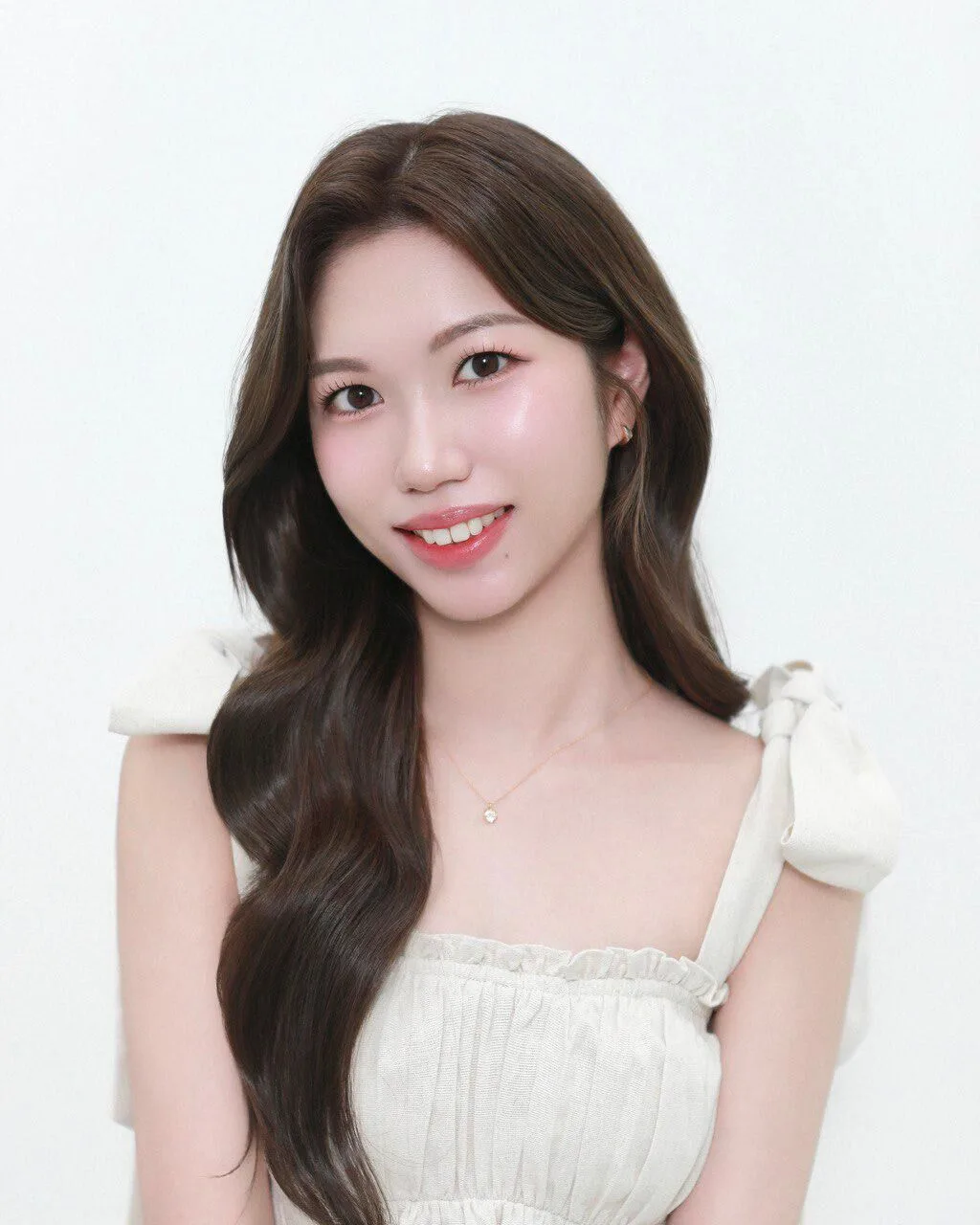
Patricia specialises in piano — the most versatile foundation instrument for children. With a Bachelor's degree in Early Childhood Education and Music Education, she brings a rare combination of musical skill and a deep understanding of how young children learn. She doesn't just teach notes and rhythms; she teaches children how to think musically.
Over more than a decade of teaching, Patricia has guided hundreds of children through their first years of music education. Her approach is built around each child's individual pace, personality, and interests. She follows the ABRSM syllabus where it serves the student, but never treats exam grades as the sole measure of progress.
Her home studio in Tengah provides a focused, comfortable learning environment designed specifically for young students. Parents are welcome to sit in on lessons, and Patricia provides detailed practice guidance after every session so families know exactly what to work on at home.
Common Questions
Frequently Asked Questions
What age should my child start music lessons? +
Which instrument is best for a child's first music lessons? +
How do I choose a good music teacher for my child? +
How often should my child have music lessons? +
Also serving families in Jurong West, Bukit Batok, Bukit Timah, Choa Chu Kang, and Clementi. View all lesson details.
Start Your Child's Musical Journey
Book a free consultation with Patricia to discuss the right approach for your child's age, experience, and goals.