
It's Never Too Late
Adult Piano Lessons in Singapore
You don't need to have started at age five. Whether you're picking up piano for the first time or returning after decades away, lessons built around your goals make all the difference.
Your Teacher
Patricia's Approach with Adult Students
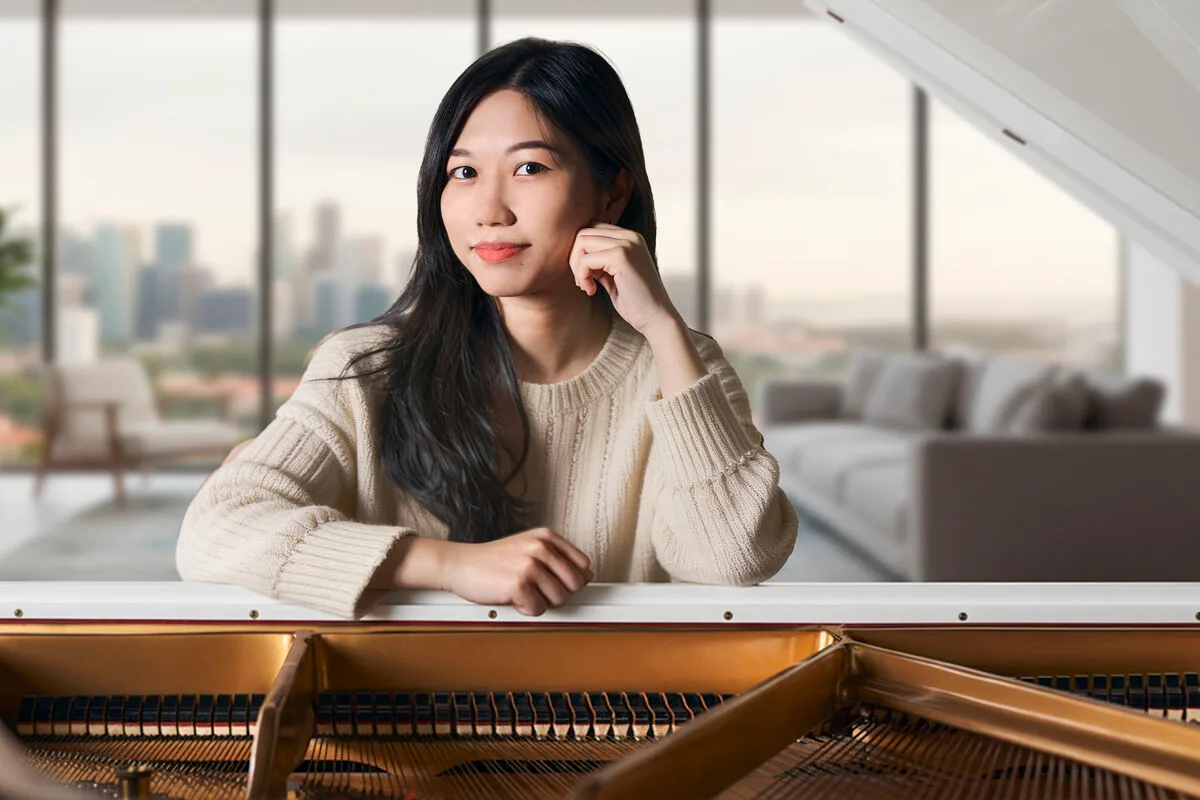
Teaching adults is fundamentally different from teaching children, and Patricia's approach reflects that. With adult students, she treats every lesson as a collaboration — you bring your goals, preferences, and feedback, and she brings her expertise in technique, repertoire selection, and musical development.
With over 10 years of teaching experience and a B.Ed in Early Childhood and Music Education, Patricia understands learning at every stage of life. She knows that adult beginners need clear explanations, not patronising simplification. She knows that adult returners often have muscle memory that can be reactivated with the right guidance.
Most importantly, she creates an environment where adults feel comfortable being beginners. There's no judgement for mistakes, no frustration when something takes longer than expected. Just steady, encouraging progress toward the music you want to make.
The Adult Advantage
Why Adults Learn Piano
Adults come to the piano for deeply personal reasons. Some are fulfilling a lifelong dream they never had the chance to pursue. Others are returning after years away, drawn back by a melody that never quite left their memory. And for many working professionals in Singapore, piano offers something rare — a form of focused, creative engagement that has nothing to do with deadlines, KPIs, or emails.
The cognitive benefits are well-documented. Learning an instrument as an adult strengthens neural connections, improves memory, and sharpens coordination. Studies consistently show that musical training supports brain health across the lifespan. But most adult learners don't come because of the science — they come because playing piano feels good. It's meditative, expressive, and deeply satisfying in a way that few other hobbies can match.
There's also the simple pleasure of learning something new purely for yourself. In a culture that emphasises productivity and outcomes, choosing to learn piano as an adult is a quiet act of self-investment. You're not doing it for a grade or a certificate. You're doing it because you want to.
Career stress relief is one of the most common reasons Patricia's adult students cite. After a long day at work, sitting at the piano and focusing entirely on a piece of music creates a mental reset that exercise or screen time simply can't replicate. It demands presence — you can't think about tomorrow's meeting while navigating a Chopin nocturne.
Your Learning Experience
What to Expect from Adult Lessons
Learn at Your Own Pace
Unless you specifically want to pursue graded exams, there's zero pressure to follow the ABRSM track. Lessons are structured around your personal goals — whether that's mastering a particular piece, learning to improvise, or simply becoming comfortable at the keyboard.
You set the pace. If a piece takes three weeks instead of one, that's perfectly fine. Patricia adjusts lesson plans week by week based on what you need, not what a syllabus demands.
Built Around Your Schedule
Adults juggle work, family, and a hundred other commitments. Lessons are scheduled at times that work for you, including evenings and weekends. If you need to reschedule occasionally, that's part of the reality of adult life.
Practice expectations are realistic too. Patricia won't assign you an hour of daily practice if you're working 50-hour weeks. She'll help you find 15–20 minutes a day that actually fit into your routine.
Music You Want to Play
One of the biggest advantages of learning as an adult is knowing what you like. Want to play Debussy? Jazz standards? Pop ballads? Film scores? Your repertoire is chosen around the music that motivates you.
Patricia draws from classical, pop, jazz, and contemporary repertoire to keep lessons engaging. Technical exercises are always tied to the music you're working on, so nothing feels pointless.
Honest Answers
Common Concerns Adult Learners Have
"Am I too old to start?" — This is by far the most common question Patricia hears. The short answer is no. The longer answer is that adults bring strengths that children don't have — discipline, patience, contextual understanding, and genuine motivation. Your fingers may need more warming up, but your capacity for focused learning is a real advantage.
"I have no musical background" — Neither did most of Patricia's adult students when they started. You don't need any prior knowledge. Lessons begin from absolute zero if needed — posture, hand position, reading notation, understanding rhythm. Everything is taught step by step, with patience and without judgement.
"I can't read music" — Music reading is a skill, not a prerequisite. Patricia teaches it progressively alongside playing, so you learn to read music in context rather than as an abstract exercise. Most adults pick up basic notation within the first few weeks, and it develops naturally from there.
What Adult Learners Discover
- Progress comes faster than expected when you practise consistently
- The mental break from work is genuinely therapeutic
- Understanding music theory makes listening to music richer
- Playing for family and friends is more enjoyable than they imagined
- The sense of accomplishment from mastering a piece is unmatched
Real Feedback
What Students Say
"We've had a great experience with teacher Patricia. She is patient, kind, and knows how to keep kids engaged and motivated during lessons. She creates a positive and encouraging learning environment, which has helped our children build confidence and genuinely enjoy practicing piano."
Gene
Mother of Adam and Renee
Patricia brings the same patience, encouragement, and quality to every student — children and adults alike.
Common Questions
Frequently Asked Questions
Am I too old to start learning piano?
Absolutely not. Adults of any age can learn piano successfully. In fact, adult learners often progress quickly in certain areas because they bring life experience, discipline, and a genuine desire to learn. Patricia has taught students who started in their 30s, 40s, 50s, and beyond — all of whom found the experience deeply rewarding.
How long before I can play songs I enjoy?
Most adult beginners can play simplified versions of songs they love within 2–3 months. Within 6–12 months of consistent practice, you'll be able to tackle more complete arrangements. The timeline depends on your practice frequency and the complexity of the pieces you're drawn to, but Patricia structures lessons so you're playing music you enjoy from the very first session.
I tried learning as a child and gave up. Will it be different this time?
Very likely, yes. Many adults who had negative experiences with piano as children find that learning as an adult feels completely different. You're choosing this for yourself now — there's no parent insisting on practice and no exam pressure unless you want it. Patricia tailors lessons to your interests and pace, which makes the experience far more enjoyable than the rigid approach many of us remember from childhood.
How much practice time do I need as an adult?
Even 15–20 minutes a day can lead to meaningful progress. Consistency matters more than marathon sessions. Many of Patricia's adult students practise during their lunch break or after dinner — short, focused sessions that fit into a busy schedule. She'll help you develop a realistic practice plan that works with your lifestyle.
Location
Based in Tengah, Convenient for Adults Across West Singapore
Patricia's home studio is located in Tengah Garden Town — easily accessible from Jurong West, Bukit Batok, Bukit Timah, Choa Chu Kang, and surrounding areas. House visits are also available if you prefer lessons at your own piano.
Start Playing the Music You Love
Book a free consultation with Patricia to talk about your musical goals and how lessons would work for you.